
Egypt’s Security Crackdown Masks Deeper Tensions
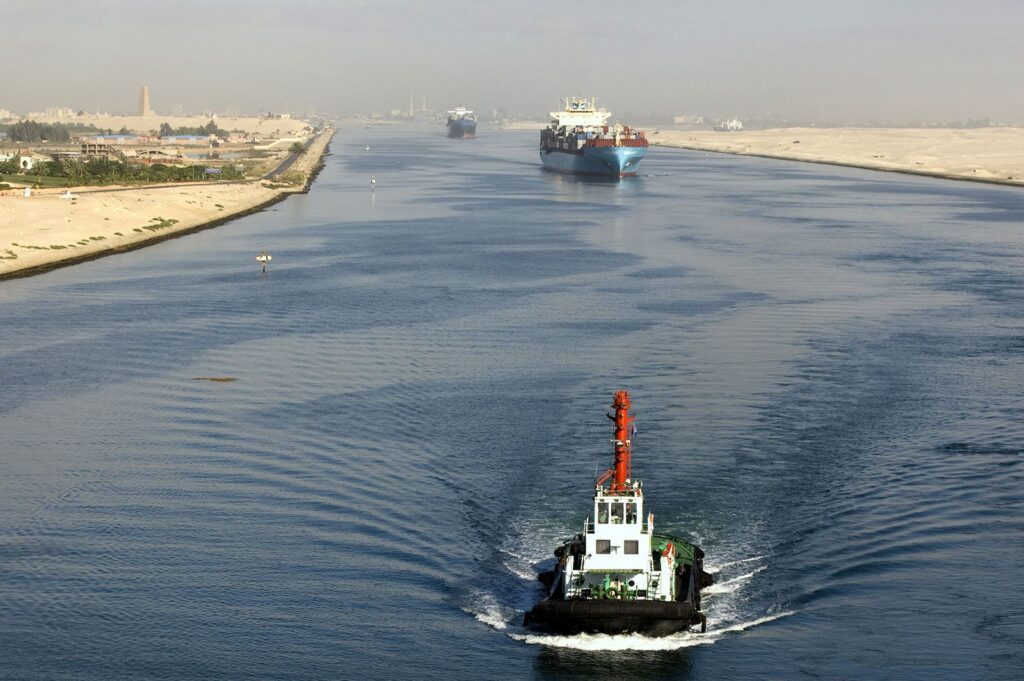
Image: Encyclopædia Britannica
In August 2025, Egypt reported a sharp drop in incidents, from nearly 500 the previous month to just over 200. On paper, this looks like progress. But behind the statistics lies a more complicated story: one of entrenched criminal networks, rising state control, and a country wrestling with domestic strain while juggling regional diplomacy.
This month saw the continuation of aggressive security operations. Authorities seized over 500,000 kilograms of narcotics and dismantled weapons workshops in Cairo, Giza, and Qalyubia. Multi-ton drug hauls, semi-industrial arms factories, and millions of Tramadol tablets were discovered. The scope of these operations (multi-ton hauls, drug manufacturing plants, and laundering schemes) suggests a deep entrenchment of criminal economies within Egypt’s border regions and urban peripheries. Despite tactical successes, trafficking lines remain active, illicit funds continue to circulate, and cross-border flows from Libya and Sudan persist.
A new national asylum law was passed, but it coincided with mass arrests and deportations of refugees, particularly from Sudan and South Sudan. Meanwhile, a flurry of legislation targeting rent controls, land allocation, and digital content has reinforced economic centralisation and political oversight. Several high-profile TikTok creators were arrested for allegedly spreading immoral content or making money through “indecent” videos, prompting renewed debates over the limits of speech in Egypt’s digital space.
Despite these domestic pressures, Egypt remained highly active abroad. It played a central role in mediation efforts for a Gaza ceasefire, pushing a 60-day truce plan alongside Qatar and the United States. At the same time, Cairo signed a USD 35 billion gas deal with Israel, expanded military cooperation with Turkey to produce AI-enabled drones, and hosted the Bright Star 2025 joint military exercise with 43 countries. Investment and diplomacy with Japan, Canada, and Gulf countries accelerated across multiple sectors, from energy and manufacturing to trade corridors and green fuel.
But these achievements come with contradictions. Egypt promotes itself as a global energy hub and regional stabiliser, yet the economy is also sending mixed signals. While the government posted a record budget surplus, this was driven by tax increases and borrowing, not sustained growth. Suez Canal revenues dropped by 60 percent. Inflation remains high in real terms, and everyday Egyptians continue to grapple with economic hardship, housing instability, and weakened public services, even as new megaprojects rise in the New Administrative Capital.
There were also red flags that August’s apparent calm may not last. A rare militancy-linked kidnapping and torture case in Qalyubia suggested that militant actors have not disappeared, only paused. Arrests for child exploitation in Cairo revealed a longstanding social crisis typically hidden from public view. Tensions on the Sudanese border remain volatile. The destruction of a UAE military aircraft in Nyala this month underscores the risk of regional flashpoints re-igniting conflict close to home.
WHY IT MATTERS
Egypt’s attempt to position itself as a pillar of regional stability is both ambitious and high risk. While its role in ceasefire negotiations, energy markets, and military exercises is growing, its internal vulnerabilities are deepening. Structural trafficking networks, securitised migration policies, and widespread suppression of dissent could all undermine the very stability the country aims to project.
For those with operations or interests in Egypt, staying informed is not optional. ICE24’s intelligence products provide clear, verified, and forward-looking analysis designed to help you anticipate risk, monitor change, and respond effectively.
Stay informed. Stay protected.
To receive tailored updates or subscribe to ICEWEEKLY and ICEMONTHLY, contact us at [email protected]